Category: watering
Posts 21–30 of 40
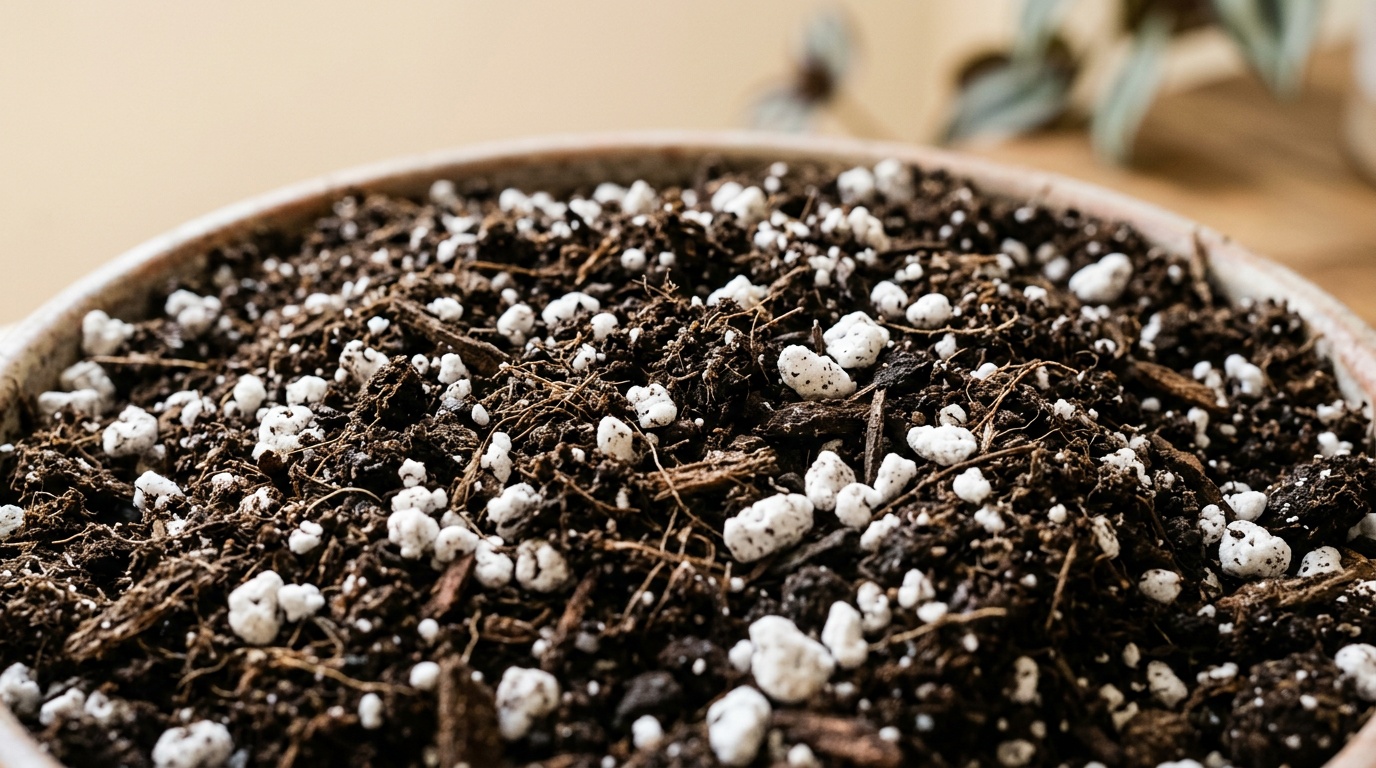
What Perlite Actually Does (And Why I Add It to Almost Everything)
Perlite is in almost every bag of potting mix, but most people don't really know what it's doing in there. Once you understand it, you'll probably want more of it.
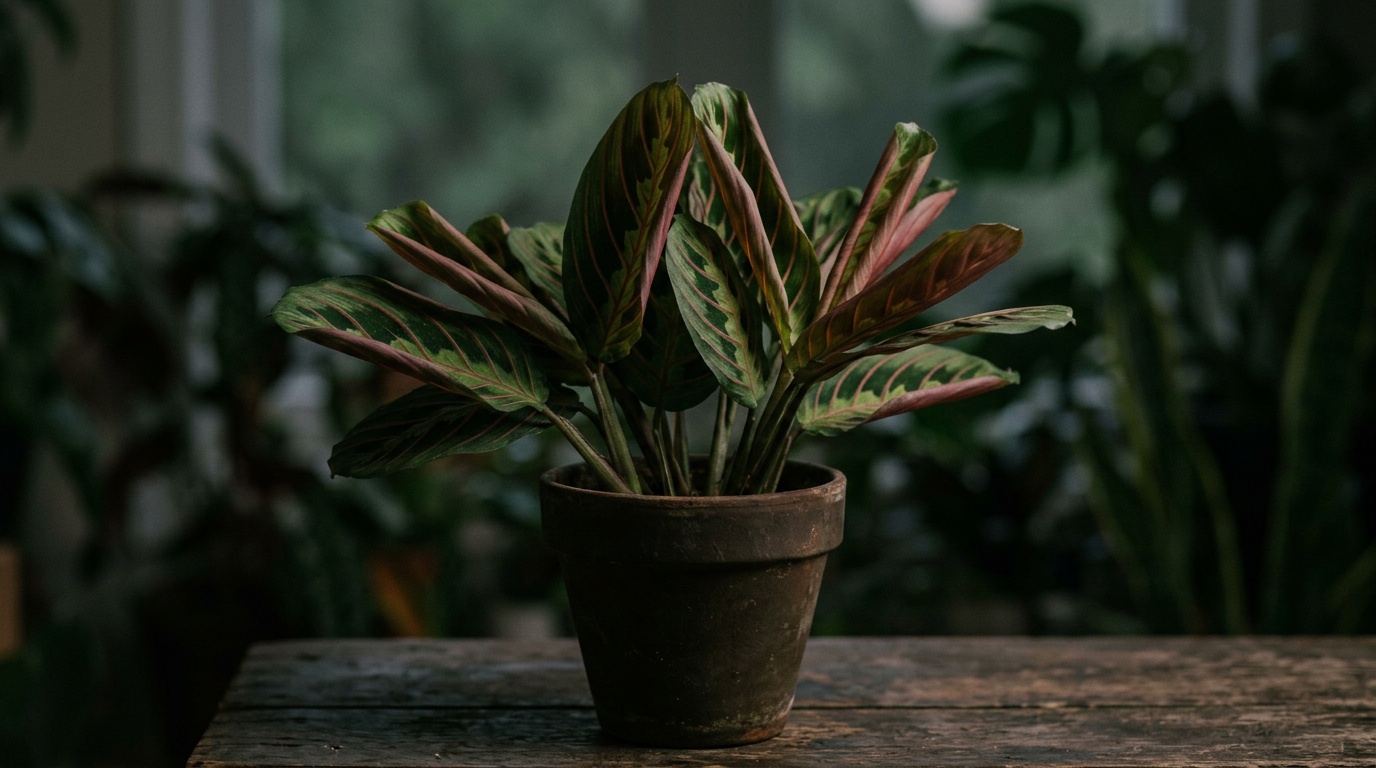
Plants Move at Night. Here's What They're Actually Doing.
Your prayer plant's leaves rise at dusk and drop back down by morning. Your oxalis folds up like it's closing for business. This is nyctinasty, and it's actually a sign your plant is doing great.
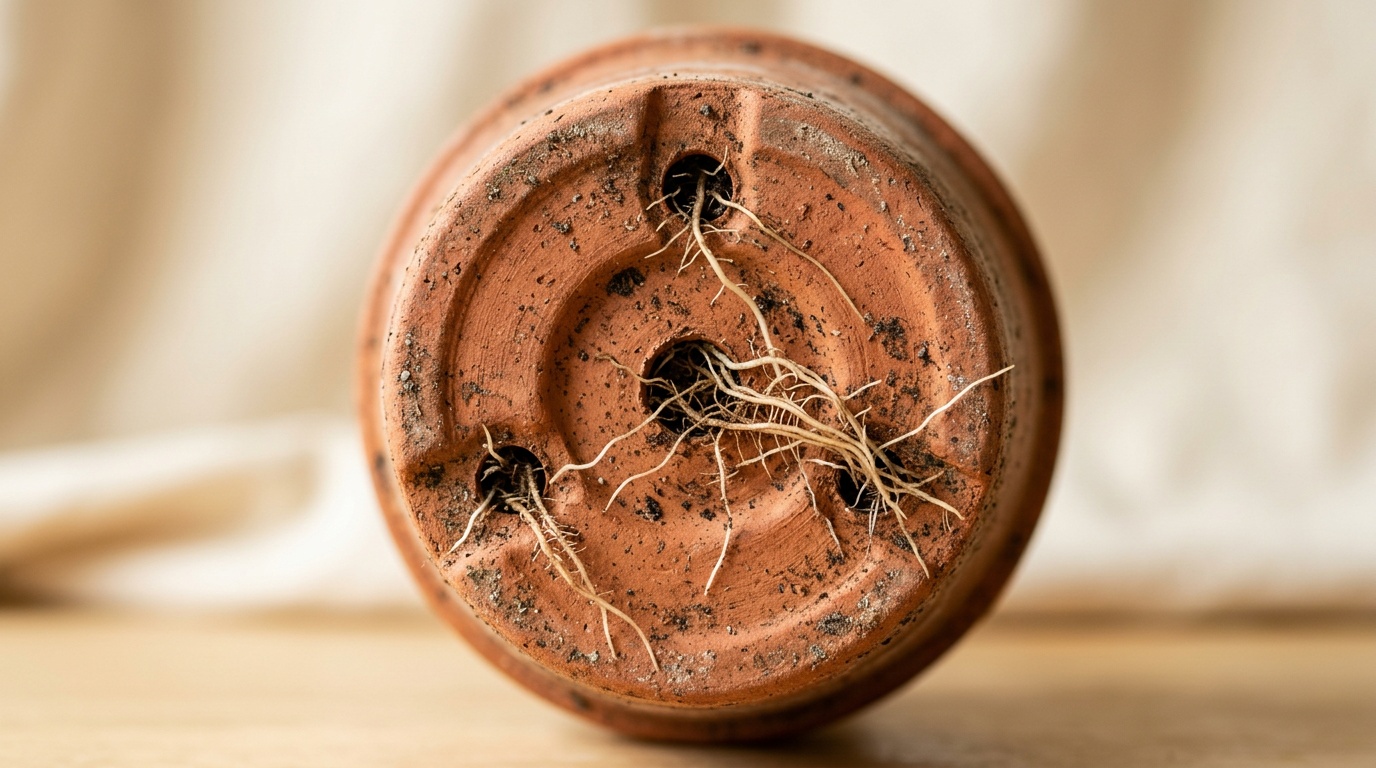
Why Drainage Holes Actually Matter (And What Happens to Roots Without Them)
That layer of rocks at the bottom of your pot isn't helping drainage — it's actually making the soggy zone bigger. Here's what's really going on with drainage holes and why they matter more than most people think.
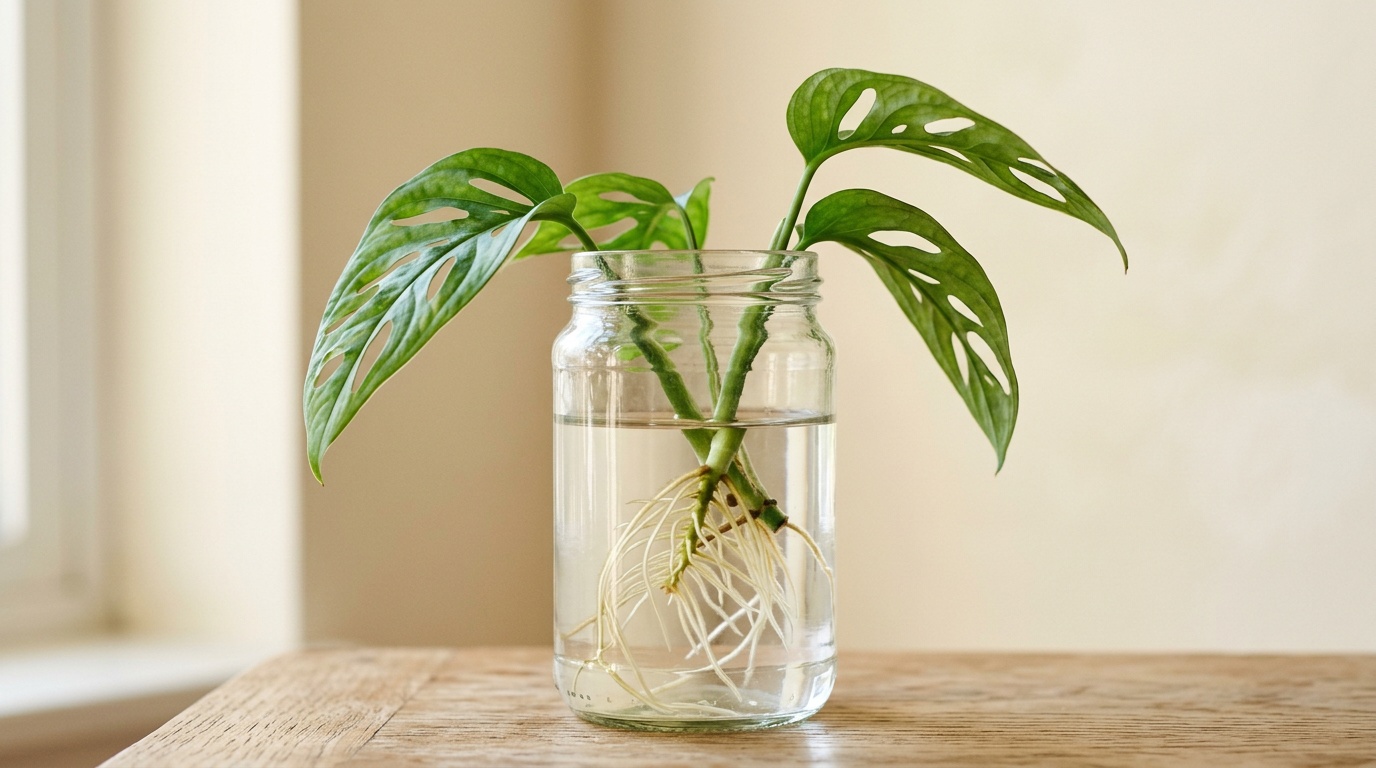
Water Propagation vs. Soil: One of Them Is Setting You Up for Failure
Water propagation looks exciting because you can watch the roots grow. But those roots are built for water, not soil — and the switch often kills the cutting. Here's what's actually happening and what works better.
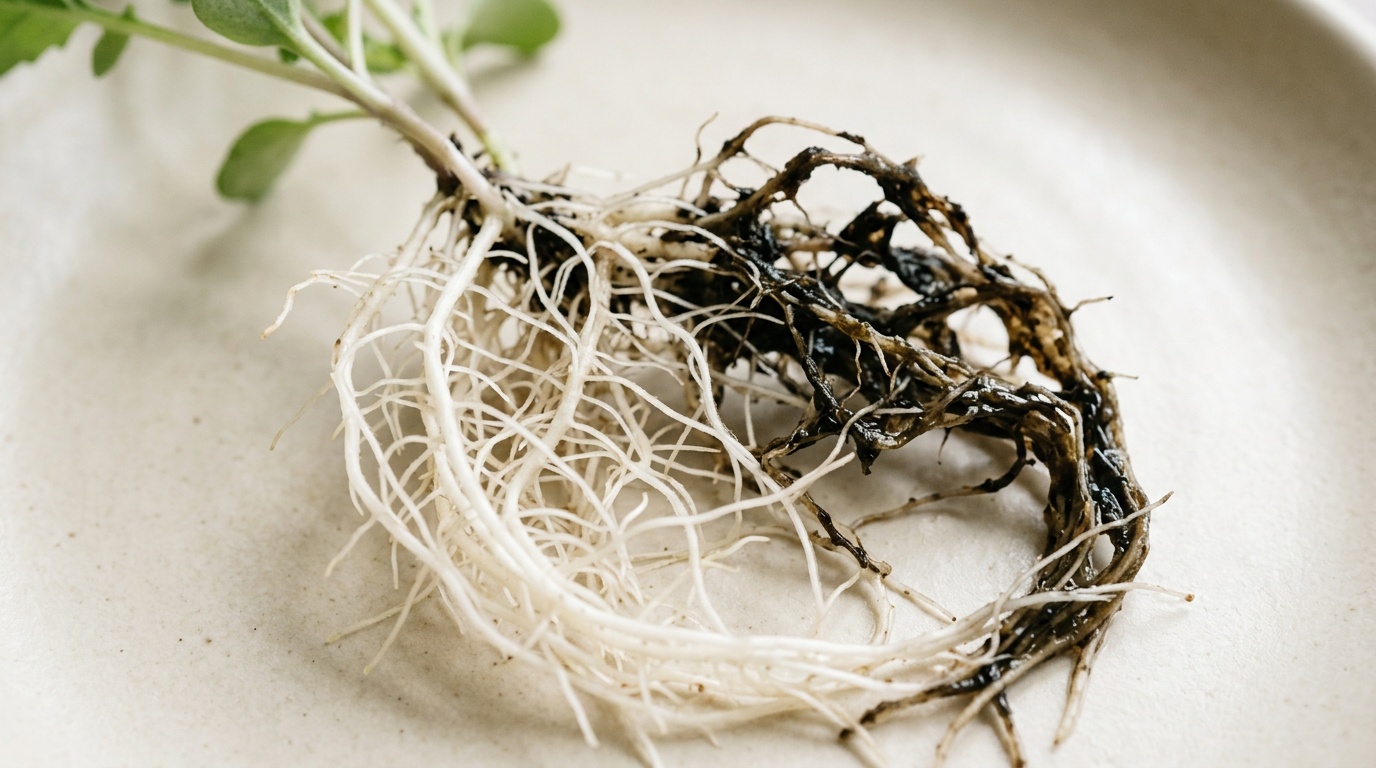
Root Rot Isn't Always a Death Sentence — Here's How to Save the Plant
Most root rot guides stop at 'you overwatered it.' This one picks up where those leave off — with a step-by-step recovery plan, including the one step most people skip that causes re-infection in the new pot.
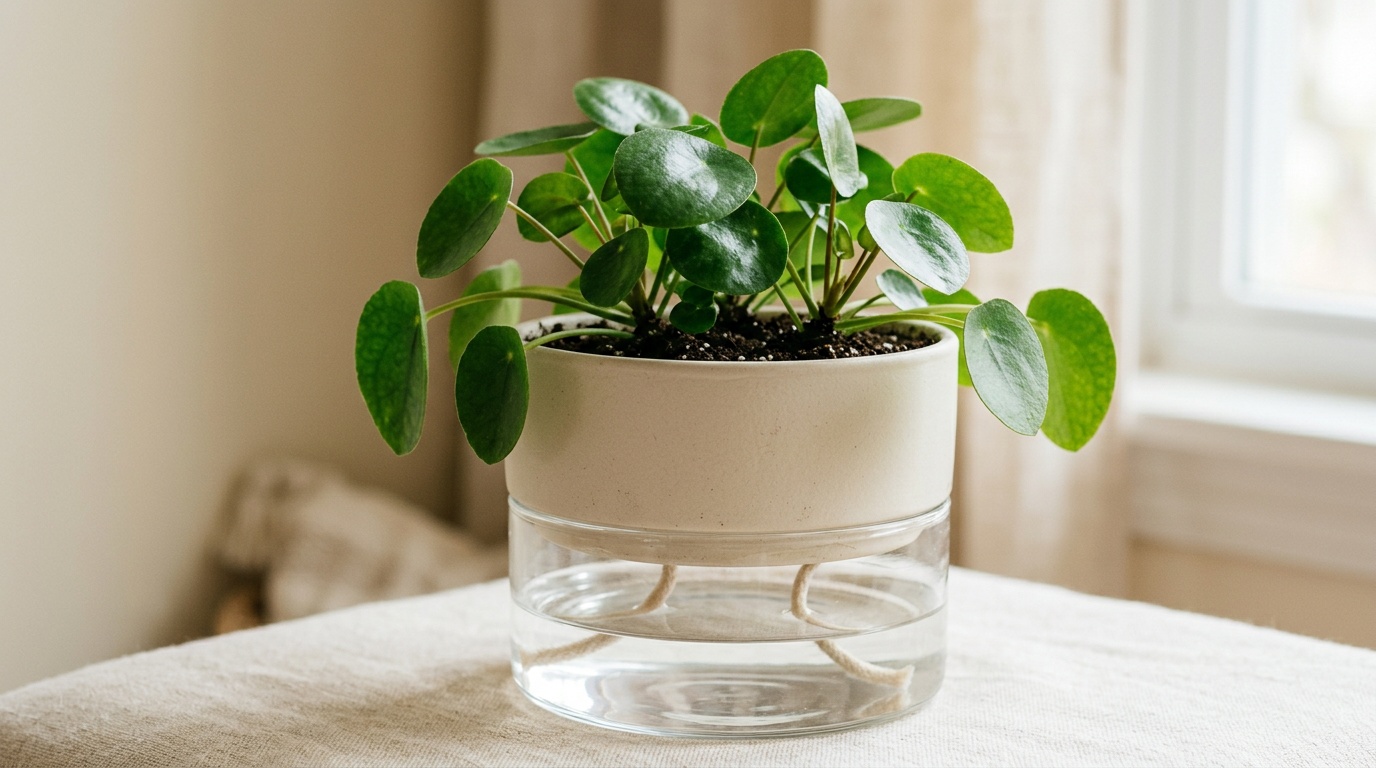
Do Self-Watering Pots Actually Work? I've Been Using Three for Six Months
Six months, three pots, three plant types. Self-watering pots aren't a universal fix — here's exactly when they help and when they hurt.
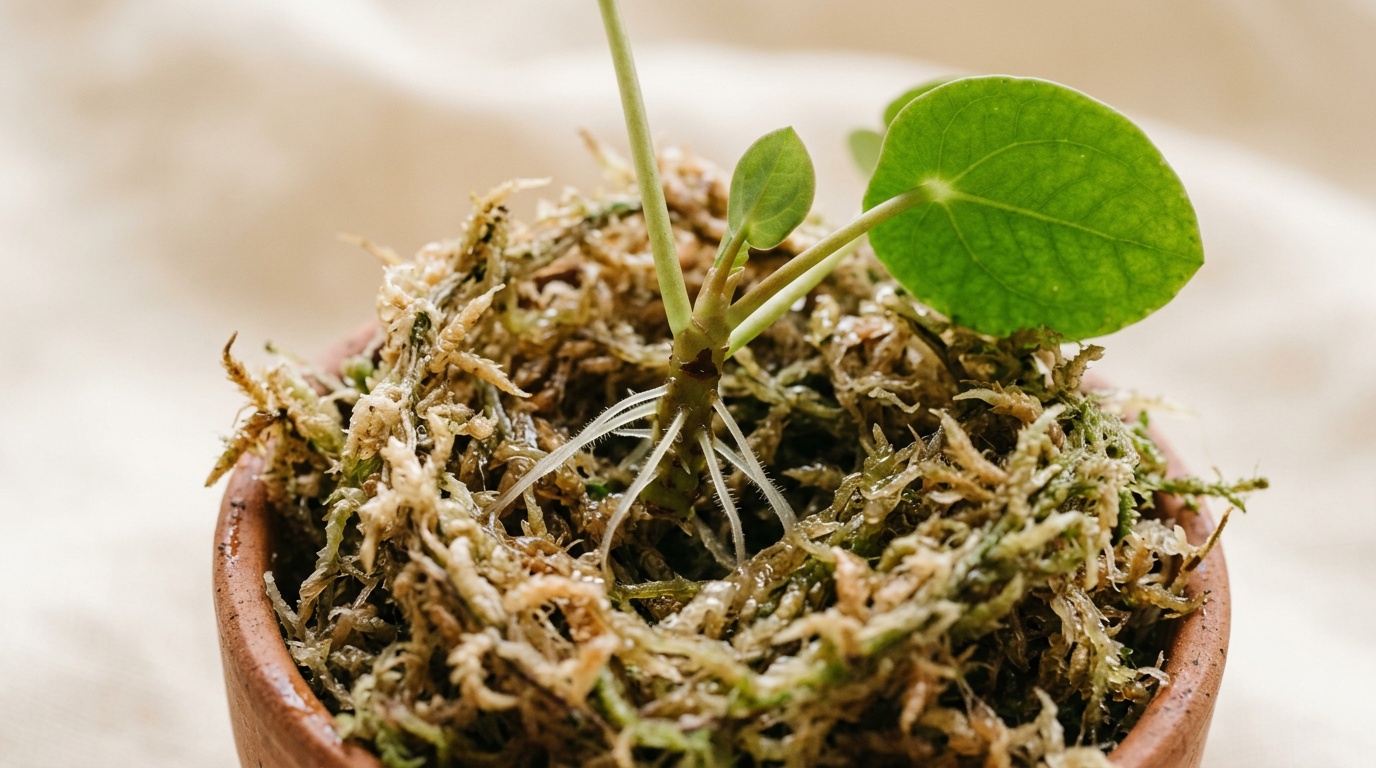
The Propagation Method I Switched to That Works Better Than Water
I propagated in water for years before I tried sphagnum moss. The roots are better, the transition to soil is easier, and you can still watch everything happen. Here's exactly how I do it.
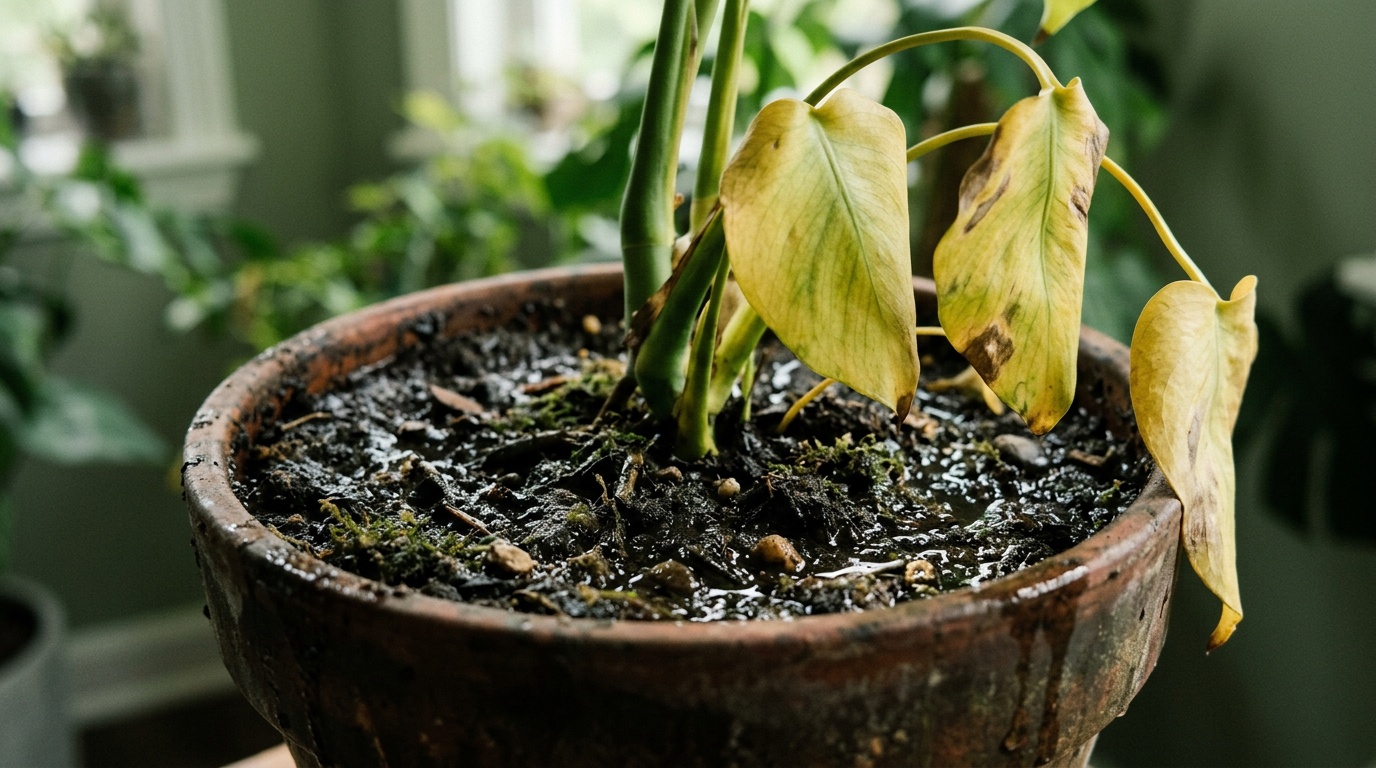
Why Store-Bought Potting Mix Is Slowly Killing Your Tropicals
That bag of potting mix from the hardware store works fine for outdoor containers. Inside your home, it's a different story — and your tropicals are paying the price.
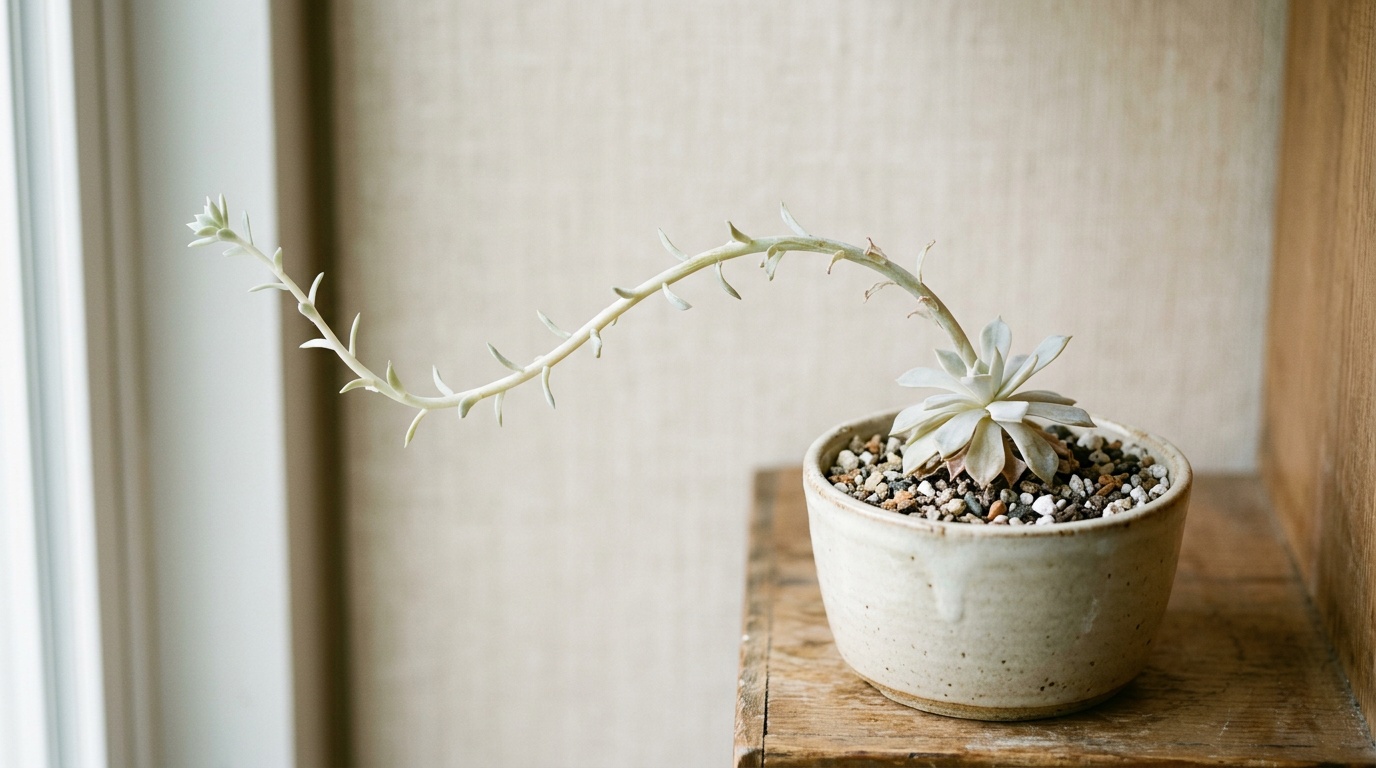
Succulents Are a Terrible Beginner Plant (And What to Get Instead)
Succulents look simple but they're actually one of the hardest plants to keep alive indoors. Here's why they fail, which ones are the worst offenders, and what to grow if you actually want something that survives.
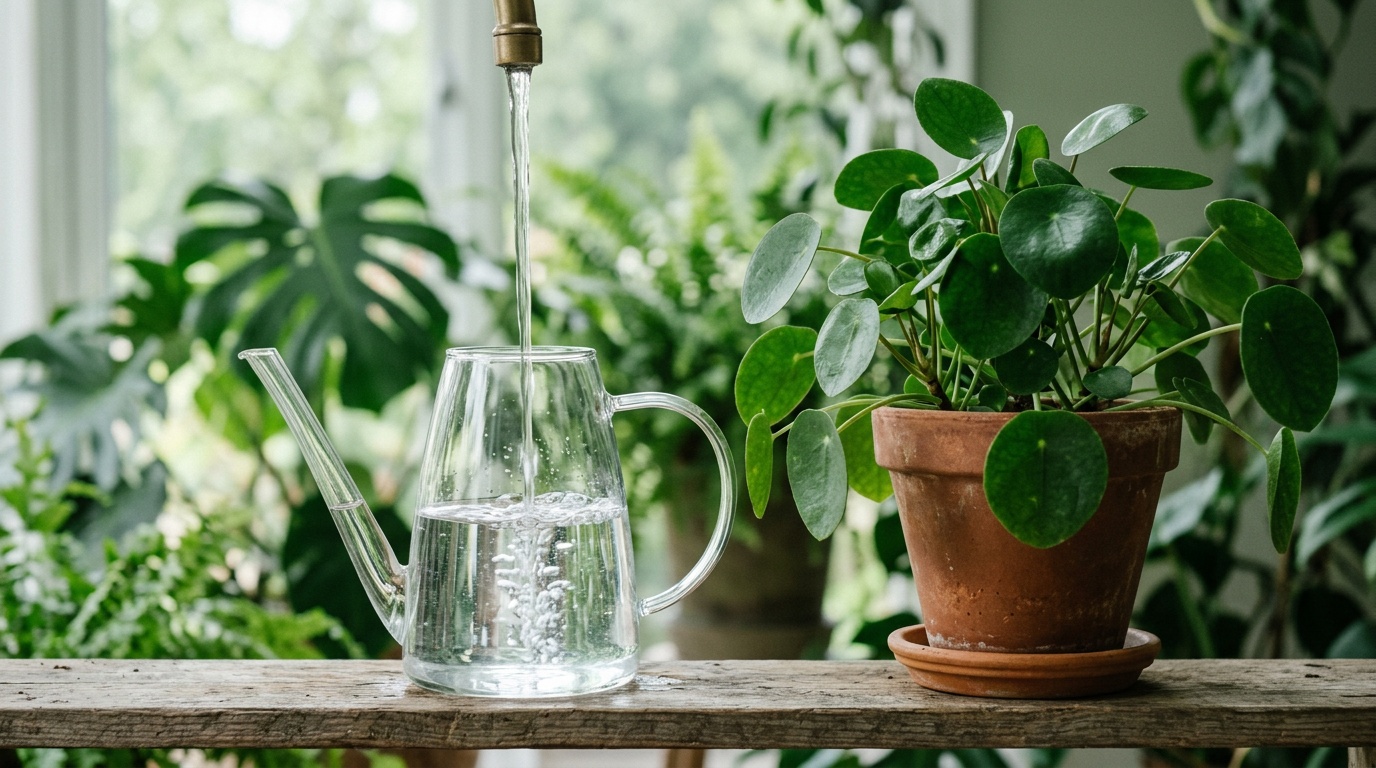
Is Tap Water Actually Bad for Houseplants? The Honest Answer
Everyone says tap water is bad for plants, but is it really? Chlorine dissipates fast, fluoride only bothers a handful of plants, and most houseplants do just fine from the tap. The things worth watching are water temperature and softened water — and most people never think about either one.