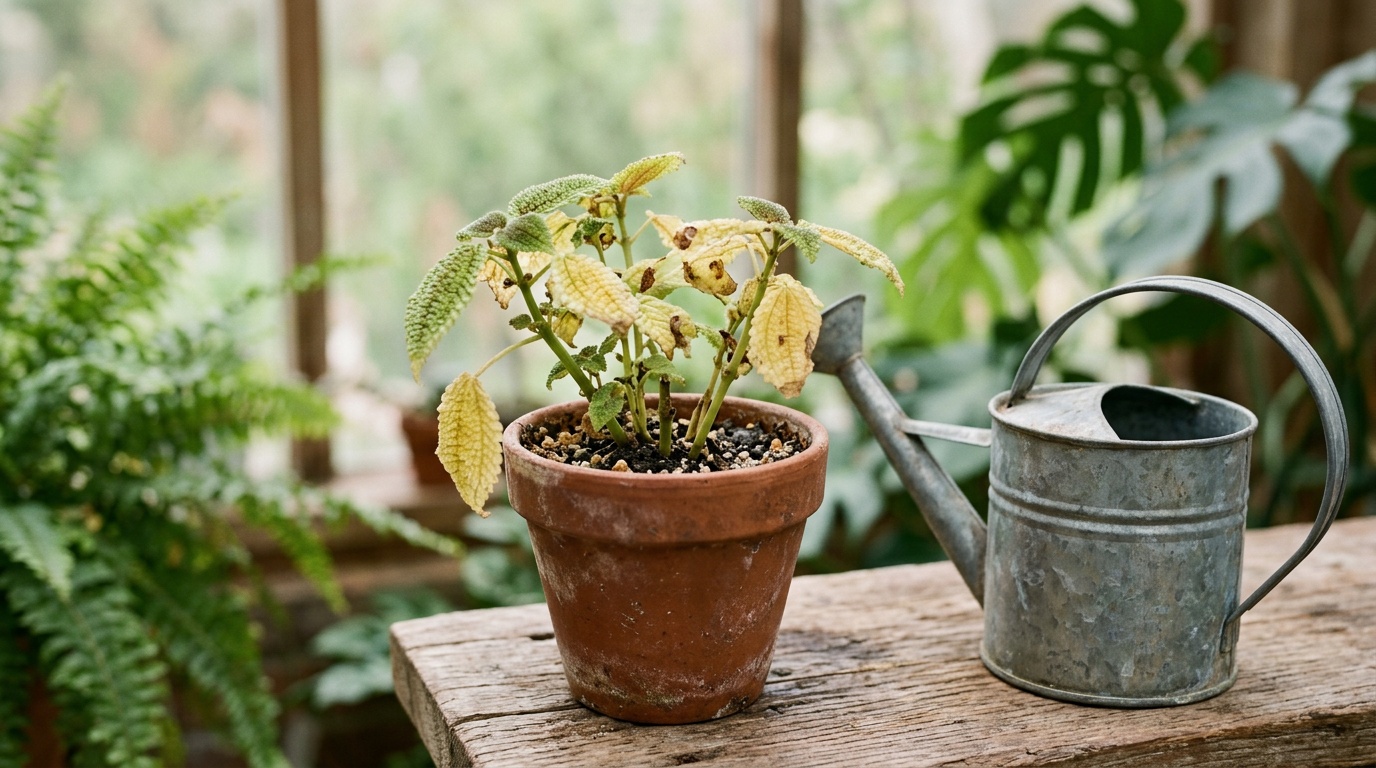
You're Not Bad at Plants. You're Probably Just Overwatering
Quick answer
Most houseplants die from overwatering, not neglect. Overwatered plants wilt just like thirsty ones, which makes the problem worse. The fix is simple: check the soil before every watering. A soil moisture meter makes this easy and takes the guesswork out completely.
Here’s something nobody tells beginners: the advice to “keep your plant watered” is responsible for a lot of dead plants. Not because watering is bad — obviously plants need water — but because most of us come into this hobby with the instinct that more care equals better results. With plants, that instinct will work against you almost every time.
If you’ve lost plant after plant and can’t figure out what you’re doing wrong, there’s a good chance the problem isn’t you. It’s that you were handed a rule (“water your plants!”) without the part that actually matters: how to know when a plant actually needs water.
Why Overwatering Is So Easy to Do
Think about where the whole “water your plants” message comes from. We grow up seeing wilted plants getting perked back up with a drink of water. We learn that plants need water to grow. Both of those things are true! But they create a mental model where more water equals healthier plant, and that’s where things go sideways.
The reality is that roots don’t just need water. They need air, too. Plant roots sitting in constantly wet soil are cut off from the oxygen they need to function. They start to suffocate. They rot. And a plant with rotting roots can’t take up water properly — so it starts to look exactly like a plant that’s been neglected.
That’s the part that trips everyone up. A plant struggling from too much water and a plant struggling from too little water can look identical on the surface. Drooping leaves, dull color, sad overall vibe. So you check it, think it looks thirsty, water it again — and make the whole thing worse.
The False Wilt: Why Overwatered Plants Look Thirsty
This is worth sitting with for a second because it’s genuinely counterintuitive.
When a plant is underwatered, it wilts because there’s not enough water moving through its tissues to keep things firm and upright. Makes sense. But when a plant is overwatered and its roots are damaged or rotting, it also wilts — because the roots can no longer move water up into the plant even though there’s plenty of moisture in the soil.
Same symptom. Opposite problem. Opposite solutions.
If you water a wilting plant without checking the soil first, you’re essentially guessing. And if you guess wrong — if that plant was already sitting in soggy soil — you’ve just made its situation significantly worse.
This is why so many people say things like “I water it all the time and it still dies.” Yep. That tracks.
If you want to go deeper on telling the two apart, I go into a lot more detail in My Plant Is Wilting — Is It Thirsty or Drowning? (How to Actually Tell). But for now, the most important thing to know is that you can’t diagnose a wilting plant just by looking at the leaves.
The One Habit That Fixes Most of This
Check the soil before you water. Every single time. No exceptions.
That’s it. That’s the intervention. It sounds almost too simple, but this one habit is the difference between people who keep plants alive and people who don’t.
What you’re checking for varies by plant — some plants want to dry out almost completely between waterings, others prefer to stay a bit more consistently moist. But for the majority of common houseplants, you want to let the top inch or two of soil dry out before you water again. Stick your finger in about two inches. If it feels damp, put the watering can down and come back in a few days.
The key thing here is each plant has its own timeline. There’s no universal schedule that works. “Water once a week” sounds like helpful advice, but it doesn’t account for the size of your pot, the type of soil, the season, your home’s humidity, or how much light the plant is getting. All of those things affect how quickly soil dries out. Two identical plants in different spots in your house might need water at completely different times.
So instead of a schedule, build the habit of checking. It takes ten seconds.
How a Moisture Meter Makes This Even Easier
If you’re new to this and not sure what “damp” feels like or where exactly two inches into the soil is, a Fpxnb Soil Moisture Meter is genuinely useful. You stick the probe into the soil and it gives you a reading — dry, moist, or wet. No guessing, no second-guessing yourself.
I think of it as training wheels, honestly. Once you’ve used one for a while and you start to understand what your plants’ soil feels like at different moisture levels, you might not need it as much. But when you’re starting out and building that instinct? It takes a lot of the anxiety out of the whole thing.
I go more into whether the cheaper versions are worth buying in Soil Moisture Meters: Do the Cheap Ones Actually Work? — because yes, there’s a range of quality and it’s worth knowing before you buy.
Signs Your Plant Is Already Overwatered
If you’re reading this because a plant is struggling right now, here’s what to look for:
- Yellowing leaves — especially if they’re yellowing evenly and falling off while still soft
- Wilting even though the soil is wet — classic false wilt
- Mushy or soft stems near the base of the plant
- A sour or musty smell coming from the soil
- Mold or algae growing on the surface of the soil
- Roots that look brown or black and feel soft instead of firm and white
Any one of these is a signal to stop watering and reassess. A combination of them is a pretty clear sign overwatering is the issue.
What to Do If You’ve Already Overwatered
First — stop watering. Let the soil dry out.
Check that your pot has drainage holes. This is huge. A pot without drainage keeps water trapped at the bottom with nowhere to go, and roots sitting in that water are going to rot no matter what you do. Most plants need a pot that drains well. If yours doesn’t have holes, that’s a problem worth fixing before anything else.
If the plant has been sitting in soggy soil for a while and the roots look damaged, you might need to repot. Take the plant out, shake off the wet soil, trim off any roots that are black, mushy, or smell off, and put it into fresh dry soil. It’s a bit stressful for the plant short-term, but it gives it a real chance to recover.
After that, it’s about patience. Recovery isn’t instant. Give it time, don’t water again until the soil is actually ready for it, and try not to overcompensate by moving it around constantly or fussing with it too much.
A Quick Look at Overwatering vs. Underwatering
| Overwatered | Underwatered | |
|---|---|---|
| Soil feel | Wet or damp | Dry, pulling away from pot edges |
| Leaves | Yellow, soft, dropping | Dry, crispy, curling |
| Wilting | Yes — even with wet soil | Yes — with dry soil |
| Stems | Mushy near base | Dry, possibly shriveled |
| Smell | Musty or sour | No unusual smell |
| Recovery speed | Slower, especially if roots are rotted | Often faster once watered |
The soil check is the quickest way to figure out which column you’re in.
Each Plant Has Its Own Needs — And That’s Not a Bad Thing
One more thing worth saying: there’s no single watering rule that covers every plant. Succulents and cacti want to dry out almost completely and then some before they get water again. Ferns like things a bit more consistently moist. Pothos and snake plants are pretty forgiving. Peace lilies will tell you loud and clear when they’re thirsty (they droop dramatically — and they’re fine, they bounce back fast).
Getting to know your specific plants and what they prefer is part of what makes this hobby genuinely interesting. Once you stop trying to follow one universal rule and start paying attention to what each individual plant is telling you, things get a lot less stressful.
And almost always, when something’s going wrong and you can’t figure out why? Start by checking the soil. Watering less, and checking before you water every single time — that one shift fixes more plant problems than almost anything else.
You’re probably not bad at plants. You’re just watering them the way someone who loves them would. Which is a very human thing to do. You’ve just got a little recalibrating to do.
Frequently asked questions
Why do my plants keep dying even when I water them?
Watering too often is actually one of the most common reasons houseplants die. When soil stays wet too long, roots can't get the air they need and begin to rot. The plant looks sick — sometimes even wilted — even though it's getting plenty of water. Check that your pot drains well and let the soil dry out to the right level for your specific plant before watering again.
How do I know if I'm overwatering my plant?
The most reliable way is to check the soil before you water — stick your finger about two inches in, or use a soil moisture meter. Signs of overwatering include yellowing leaves, mushy stems near the base, a sour or musty smell from the soil, and leaves that wilt even though the soil is still wet. If the soil feels damp and the plant still looks sad, overwatering is a strong possibility.
Can a plant recover from overwatering?
Often yes, if you catch it early enough. Stop watering, let the soil dry out, and make sure the pot is draining properly. If the roots have started to rot, you may need to repot — remove the plant, trim off any black or mushy roots, and put it in fresh dry soil. Recovery takes time and some patience, but a lot of plants will bounce back.
How often should I water my houseplants?
There's no single answer that works for every plant — each one has its own needs depending on species, pot size, soil type, season, and your home's humidity and light. Instead of watering on a schedule, check the soil first every single time. Some plants want to dry out almost completely between waterings; others like to stay a little more consistently moist. Getting familiar with what your specific plant prefers makes a bigger difference than any watering schedule.